
Wrestling Mindset & Performance Therapy for Teen Athletes
Helping athletes develop confidence, resilience, emotional regulation, and a strong mindset—on the mat and in everyday life.
Whether you're struggling with performance anxiety, confidence after a loss, fear of failure, perfectionism, performance blocks, returning to the sport after an injury, or the pressure to succeed, therapy can help you develop the mental skills needed to compete with confidence while enjoying the sport you love.
The Mental Side of Wrestling Matters
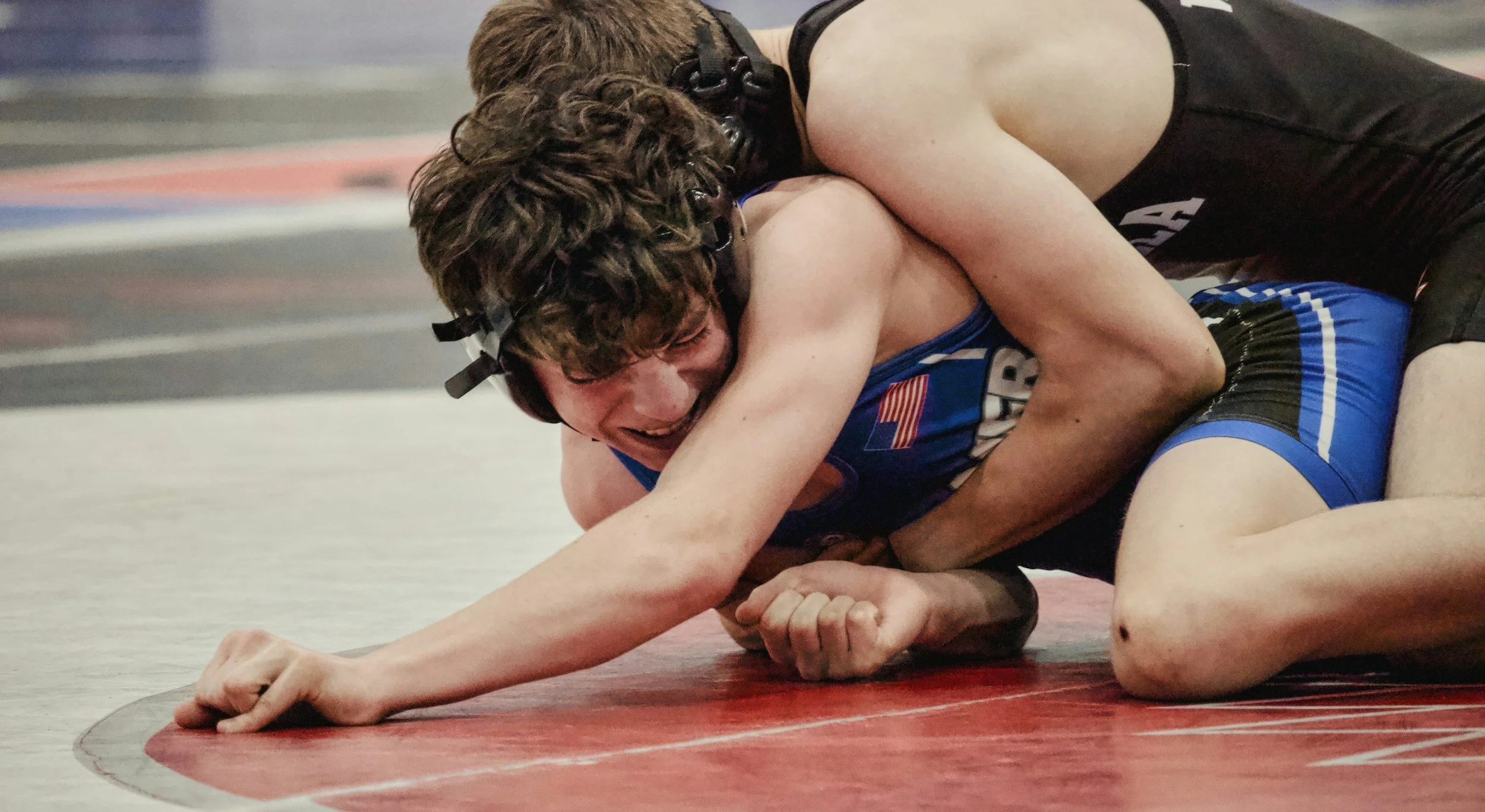
Wrestling is one of the most physically demanding sports—but it's also one of the most mentally challenging.
Every practice, every match, and every season presents opportunities to develop discipline, confidence, resilience, and emotional strength. At the same time, the pressure to perform, fear of making mistakes, weight management, injuries, and high expectations can leave athletes feeling anxious, overwhelmed, or discouraged.
Developing a strong mindset isn't just about becoming a better wrestler—it's about becoming a more confident and resilient person.
Common Challenges Athletes Face Things like:
Performance anxiety before competition
Fear of failure or letting others down
Difficulty bouncing back after losses
Low confidence despite working hard
Perfectionism
Difficulty managing emotions during competition
Fear of making mistakes
Comparing yourself to teammates
Burnout
Weight-cutting stress
Returning after injury
Balancing academics and athletics
College recruiting pressure
Identity tied only to sports
Mental Skills We Build Together:
We work together to develop skills like:
✔ Confidence
✔ Emotional regulation
✔ Managing pre-match nerves
✔ Resilience after losses
✔ Positive self-talk
✔ Focus under pressure
✔ Healthy perfectionism
✔ Growth mindset
✔ Communication
✔ Leadership
✔ Identity beyond sports

Therapy Isn't Just About Wrestling
The confidence you build on the mat becomes confidence in the classroom.
Learning to regulate emotions during competition helps you manage conflict, relationships, and future careers.
Developing resilience after a loss prepares you for life's inevitable setbacks.
Our goal isn't simply to create better athletes—we're helping build confident, emotionally healthy young adults.
What Parents Often Notice with therapy:
Better confidence
Improved communication
Less emotional shutdown after losses
Better stress management
Healthier self-esteem
Improved focus
More enjoyment of the sport
Greater resilience
Better emotional awareness
“I can learn from failure. I sometimes know that without failure I am not growing and getting stronger.” -Wrestler B, 12 years
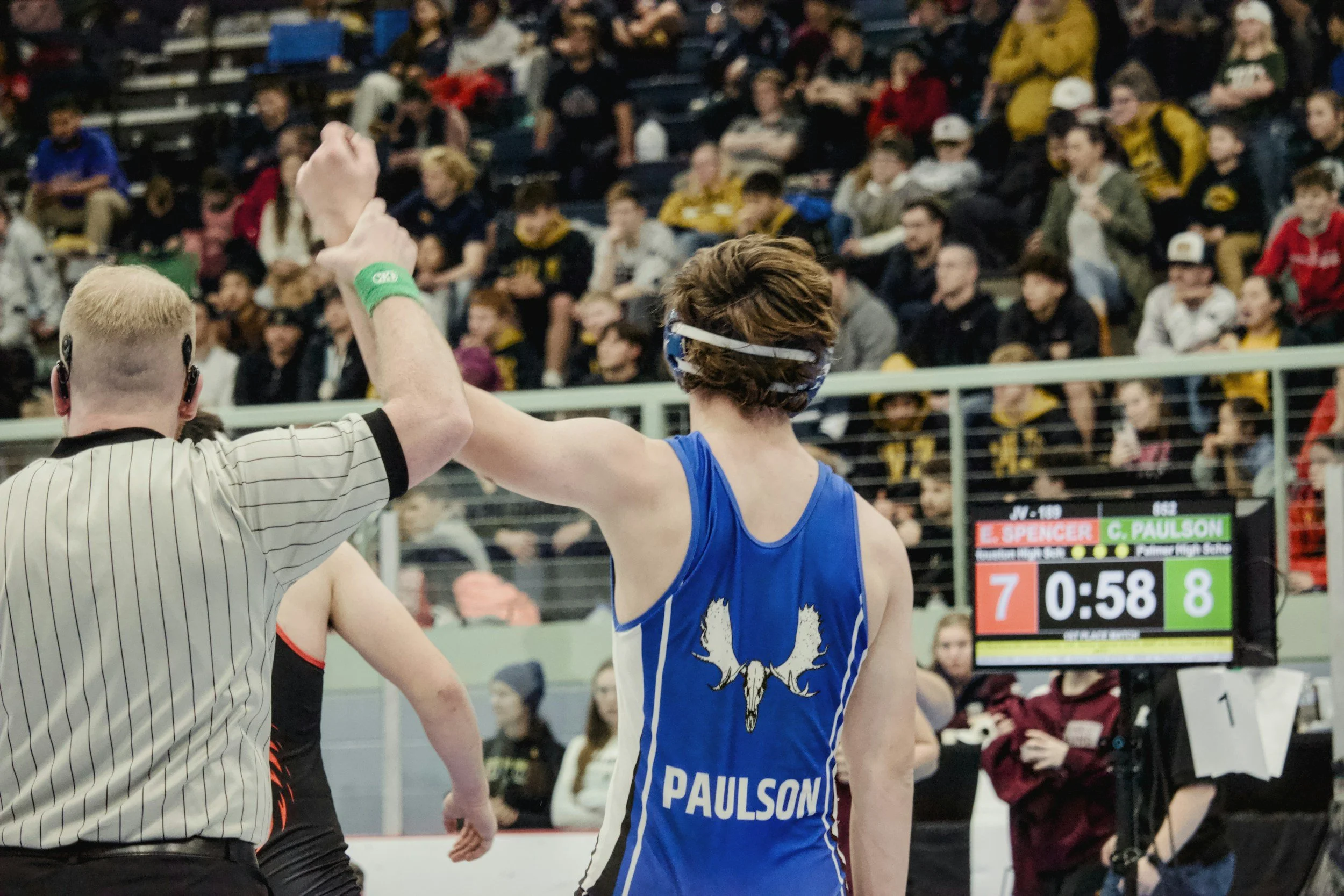
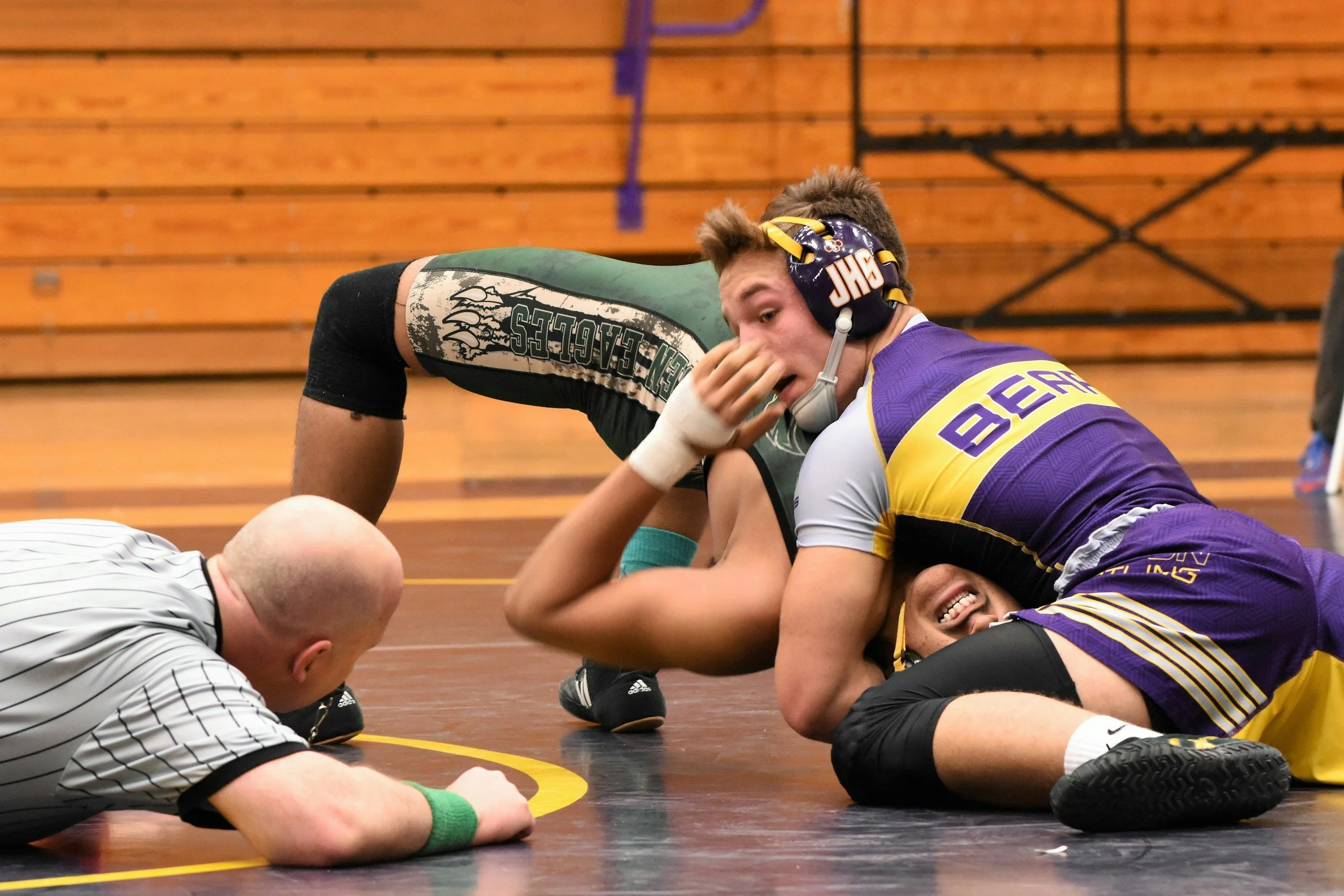
I can tell you this teen generation wants to do it differently. They want competing in a sport to feel good, feel challenging, and to make them stronger. This includes working on performance building through mental toughness.
“I have learned a new mindset when it comes to my rivals. These are the other kids that I can’t beat. I changed that mindset and this year I have beat 2 of them.” -Wrestler T, 15 years
“I had a injury at the end of last season. I didn’t know if I wanted to come back. Now I am so much stronger on the mat. Therapy helps to fight back after a loss and to reach for big goals.” -Wrestler C, 16 years.
“I listen to my coach more, win more, and know it is okay to lose at times. Losing actually teaches me.” -Wrestler A, 13 years
Frequently Asked Questions
Still have questions? Take a look at the FAQ or reach out anytime. If you are ready to start therapy book a free consultation.
-
Yes. It's completely normal for athletes to feel nervous before competition. In fact, a certain level of nervousness can help improve focus and performance. However, if anxiety begins interfering with confidence, sleep, enjoyment of the sport, or performance, therapy can help athletes develop skills to manage those emotions and compete with greater confidence.
-
Mental performance is just as important as physical training. Therapy helps athletes develop confidence, improve focus, manage emotions under pressure, recover from mistakes, and build resilience after setbacks. While therapy isn't coaching, strengthening mental skills often allows athletes to perform closer to their true potential.
-
Confidence can be shaken by losses, injuries, difficult seasons, or even unrealistic expectations. The good news is that confidence isn't something you're born with—it's something that can be rebuilt. Together, we'll identify what's contributing to the loss of confidence while developing practical tools to help your athlete trust themselves again.
-
Absolutely. Therapy isn't only for mental health diagnoses. Many athletes benefit from learning mental performance skills such as confidence, emotional regulation, stress management, communication, goal setting, and resilience. Developing these skills not only improves athletic performance but also prepares young people for challenges beyond sports.
-
Yes. Injuries can be physically and emotionally difficult. Many athletes experience frustration, fear of returning, loss of confidence, or worry about falling behind. Therapy provides a space to process these emotions while building resilience, maintaining motivation, and preparing mentally for a successful return to competition.
-
Yes. Many high-achieving athletes place tremendous pressure on themselves to perform perfectly. While striving for excellence can be motivating, perfectionism often increases anxiety, fear of failure, and self-criticism. Therapy helps athletes develop healthier expectations, greater self-compassion, and a mindset focused on growth rather than perfection.
-
Burnout can look different for every athlete. Signs may include losing interest in the sport, increased irritability, emotional exhaustion, declining motivation, frequent physical complaints, or feeling overwhelmed by practices and competitions. Therapy can help identify the source of burnout while supporting athletes in rediscovering enjoyment, balance, and purpose.
-
Wanting to quit doesn't always mean your athlete no longer loves the sport. Sometimes it reflects burnout, anxiety, fear of failure, changing priorities, or emotional exhaustion. Therapy provides a safe, nonjudgmental space to explore what's driving those feelings so your athlete can make thoughtful decisions rather than reacting in the middle of a difficult season.
-
Yes. Wrestling presents mental and emotional challenges that are different from many other sports. Managing weight classes, recovering from difficult losses, balancing expectations, competing one-on-one, and performing under pressure can all affect an athlete's confidence and emotional well-being.
Therapy provides a safe, supportive space to navigate these challenges while developing healthy coping strategies, emotional regulation, confidence, and resilience. Together, we'll work on managing performance anxiety, building a healthy relationship with the sport, processing setbacks, and developing a mindset that supports both athletic performance and overall well-being.
The goal isn't just to become a stronger wrestler—it's to help athletes become more confident, resilient, and balanced both on and off the mat.
About Us

Why work with Conversation Peace Wellness
Taking the first step toward support is significant, and you deserve a response that reflects that. We strive to provide timely access to care, with appointments generally available within two weeks. Our approach is designed to support accessibility, offering flexible options and thoughtful solutions to help reduce barriers so you can focus on what matters most—your well-being.
✻ Flexibility
My practice brings a range of skills and approaches, allowing us to tailor therapy to what truly fits you. Above all, I am here as a compassionate guide—committed to walking alongside you with care, understanding, and clinical expertise.
✻ Care
We prioritize your well-being by making therapy work with your life. With flexible scheduling and appointments beyond traditional office hours, we aim to make care accessible in a way that feels manageable and supportive.
✻ Expertise

Wrestling Mindset and Performance Therapy north of Kansas City
Conversation Peace Wellness
Prioritize Your Peace of Mind.